Let’s be brutally honest.
If your product is for everyone, it is for no one.
And nowhere is this mistake more dangerous than in today’s fashion industry—especially in India.
Because here, we are not just selling clothes.
We are fighting ignorance.
The Illusion of a “Mass Market”
Every business dreams of scale.
But most misunderstand what scale actually means.
Scale is not:
- Selling to everyone
- Chasing every lead
- Running behind every discount-driven buyer
Scale is:
- Finding the right people
- Reaching them repeatedly
- Converting them consistently
The uncomfortable truth?
👉 Not everyone deserves your effort.
Why People Don’t Buy (And Why That’s Okay)
Let’s clear something important.
When someone doesn’t buy from you, it doesn’t mean:
- Your product is bad
- Your pricing is wrong
- Your messaging failed
Sometimes, it simply means:
- They are addicted to another brand
- They don’t have the time (or patience) to understand you
- They think you are expensive
- Or worse—too cheap to be trusted
- They don’t need your product today
- They trust someone else more
- They are not ready to understand your value
👉 This is not rejection. This is misalignment.
And chasing misalignment is the fastest way to burn time, money, and sanity.
Now Let’s Talk About the Real Problem: Fashion in India
Here’s the uncomfortable statistic:
👉 95% of Indians don’t know what their clothes are made of.
Not cotton. Not linen.
But:
- Polyester
- Nylon
- Acrylic
- Spandex
Sounds harmless?
It’s not.
These are not fabrics.
👉 These are petroleum products.
Yes—crude oil waste turned into clothing.
What You Wear Is Slowly Entering Your Body
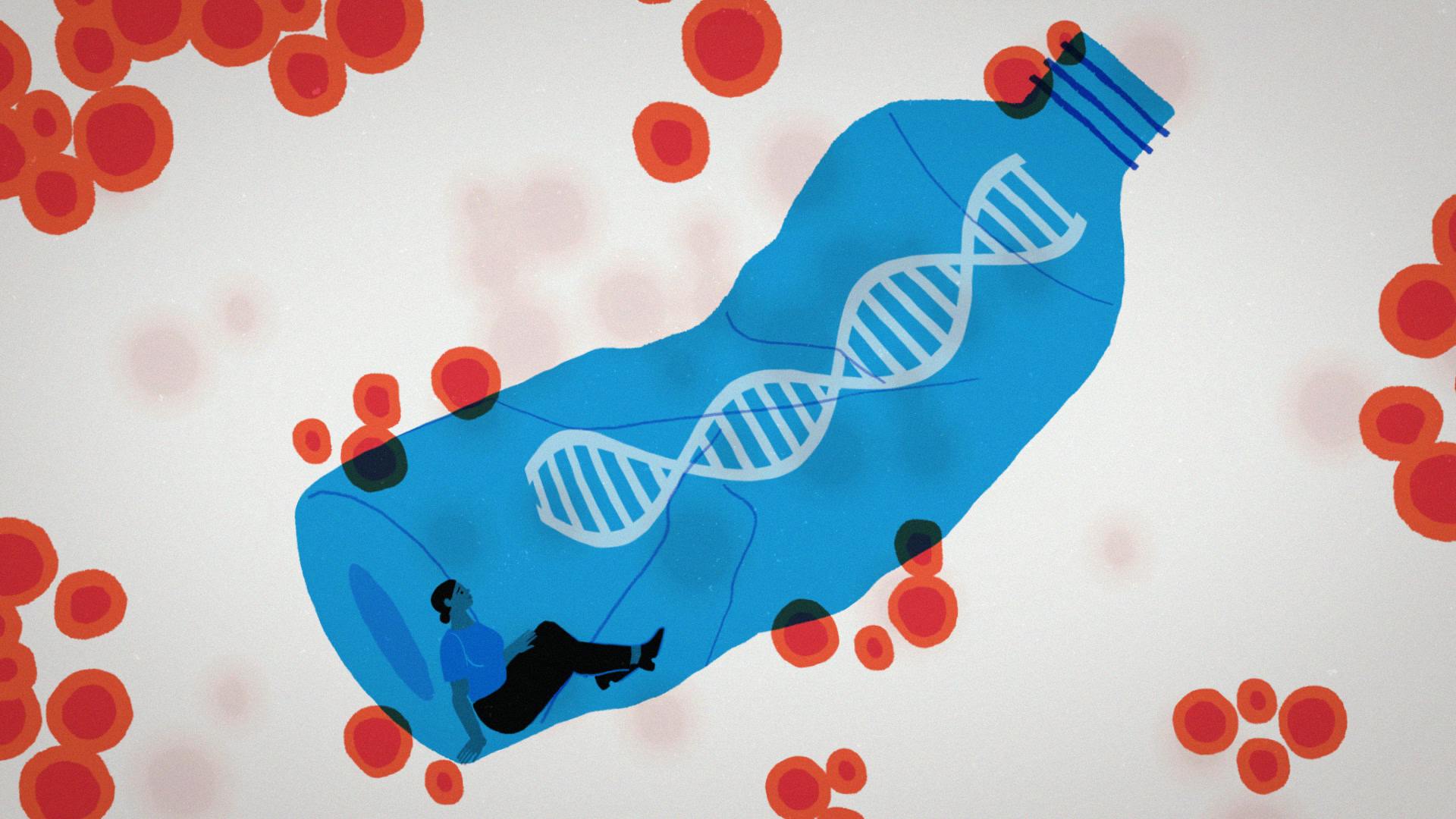


Every time you wash synthetic clothes:
- Microplastics are released into water
- They enter rivers, oceans, and air
- They come back through food, water, and air
And now?
Studies are finding microplastics in:
- Human blood
- Brain tissues
- Placenta
- Even reproductive systems
Emerging research is increasingly linking these to:
- Hormonal imbalance
- Fertility issues
- Inflammation
- Potential cancer risks
And yet…
We are still celebrating:
“Flat 70% OFF – Buy 3 Get 5 Free”
The Recycling Myth: A Comfortable Lie
Many people think:
“It’s okay. Polyester is recycled now.”
Let’s break that illusion.
Recycled polyester:
- Is still plastic
- Is often of lower quality
- Breaks down faster
- Releases more microplastics
👉 You are not solving the problem.
👉 You are accelerating it.
The Indian Buying Mindset: The Real Challenge
Today, 98% of Indian consumers check only two things:
- “Is it cheap?”
- “Does it fit?”
That’s it.
Material? Ignored.
Health? Ignored.
Environment? Ignored.
And businesses?
They happily feed this mindset.
Because ignorance sells faster than awareness.
Meanwhile, the World Is Changing
In many global markets, the first question is:
“What is this made of?”
Not brand.
Not discount.
Not trend.
👉 Material.
Because awareness has reached a tipping point.
People are starting to ask:
- “Are you selling me plastic?”
- “Will this harm my body?”
- “Is this sustainable or just marketing?”
So Where Do We Stand?
This is where most brands fail.
They try to sell slow fashion to:
- Fast fashion minds
- Discount-driven buyers
- Awareness-resistant audiences
And then complain:
“India is not ready.”
No.
👉 You are targeting the wrong people.
Our Real Customer Is Not “Everyone”
At Save Handloom Foundation and across platforms like:
- Handlooom.com
- DesiFusions.com
- Slowfashion.in
We made one thing very clear:
👉 We are not here to sell to everyone.
We are here to build:
- Awareness-first consumers
- Health-conscious buyers
- Value-driven decision-makers
How We Identify the Right Customer
Our customer is someone who:
- Is willing to listen before buying
- Is open to learning about materials
- Cares about health, even if they are just starting
- Understands long-term value over short-term discounts
They may not be rich.
They may not be experts.
But they are aware—or ready to become aware.
Our Strategy: Educate Before You Sell


We don’t chase customers.
We build them.
Because in India, slow fashion cannot be sold directly.
👉 It must be explained first.
So our approach is:
1. Create Awareness
- What is polyester really?
- How does it affect your body?
- What are microplastics doing to you?
2. Break Myths
- Recycling is not a solution
- Cheap is not affordable in the long run
- “Branded” does not mean safe
3. Offer Real Alternatives
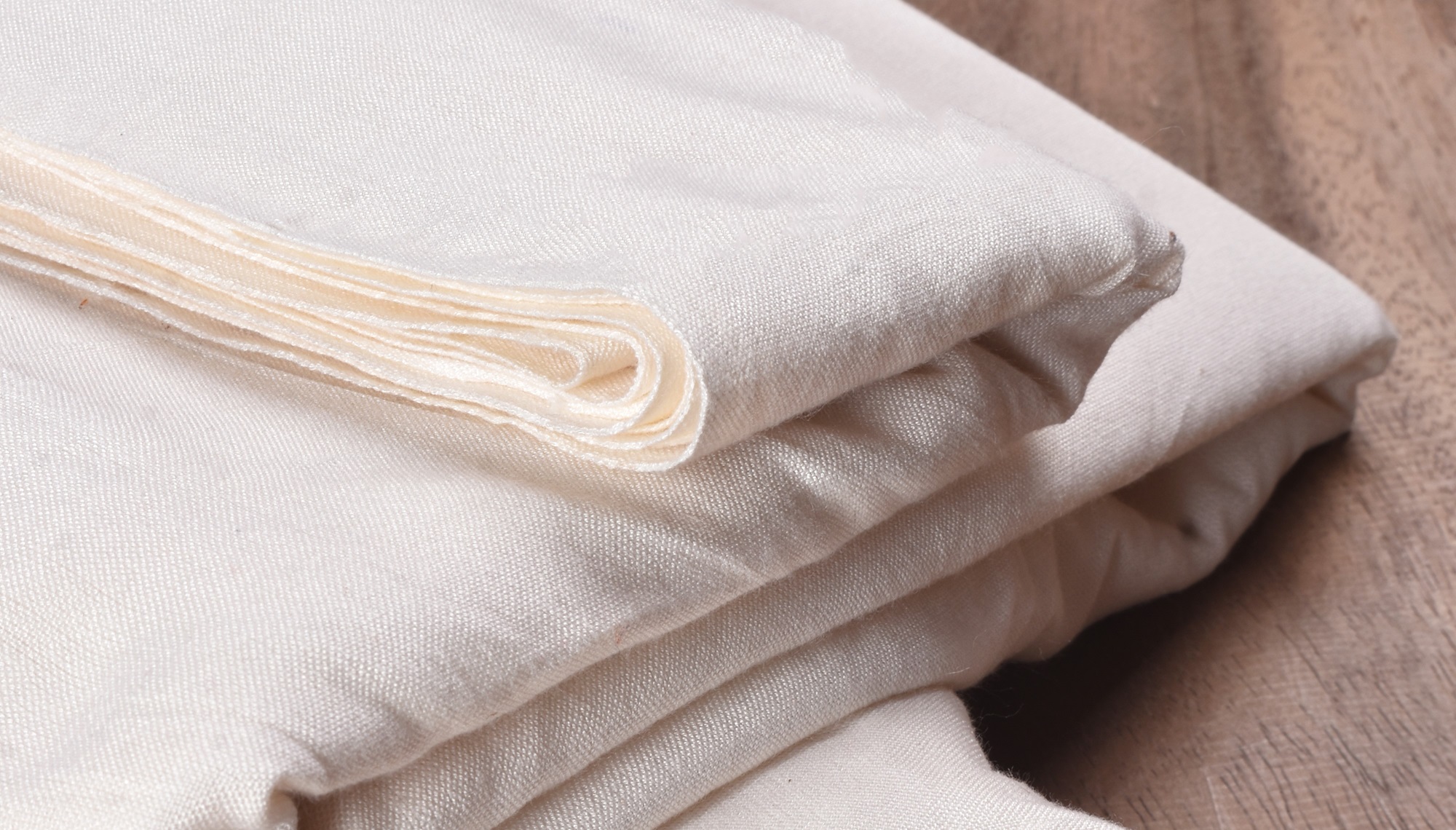
- 100% cotton
- 100% linen
- Natural fiber blends
Both:
- Premium handloom
- Affordable powerloom
👉 Because sustainability should not be elite.
Yes, We Use Powerloom Too — And That’s Intentional
Let’s address the elephant in the room.
Not everyone can afford handloom.
And that’s okay.
So we created:
👉 Affordable powerloom products made ONLY from natural fibers
Why?
Because the real enemy is not powerloom.
👉 The real enemy is petroleum-based clothing.
If we can move:
- A polyester buyer → to cotton
- A fast fashion buyer → to natural fibers
We are already winning.
Moreover we never sell our natural fiber made powerloom products as handloom. We sell it at affordable price stating that it is machine made using 100% natural fiber materials.
Sales Is Not Effort. It’s Direction.
Most businesses:
- Chase leads
- Increase ads
- Push discounts
And call it “hard work”
But real sales is:
- Analysing who is ready
- Categorising who might convert
- Ignoring who will waste your time
👉 Effort without direction is just expensive noise.
The Real Scarcity
We live in abundance:
- Information → everywhere
- Products → everywhere
- Platforms → everywhere
But one thing is limited:
👉 Your time. Your energy. Your focus.
Spend it on the wrong audience…
And even the best product will fail.
Spend it on the right audience…
And even a small brand can create a revolution.
Final Thought: Build the Right Market, Don’t Chase the Wrong One
Slow fashion in India is not a demand problem.
It’s an awareness problem.
And awareness takes time.
So instead of asking:
“How do we sell more?”
Ask:
“Who is actually ready to understand us?”
Because in the end:
👉 Better selling is not about doing more.
👉 It is about focusing better.
And sometimes…
👉 The smartest business move you can make is deciding
who you will NOT sell to.