
🧠 (A thought-provoking piece from Save Handloom Foundation)
Once upon a time, a saree design began with a dream — not a dataset.
A weaver sat with imagination, not an algorithm.
Colors came from emotion, not from “what’s trending.”
But today, artificial intelligence has entered the loom.
AI design tools can now generate “handloom-inspired” patterns in seconds — patterns that took real weavers decades to perfect through tradition, experience, and soul.
And global fashion brands are already exploiting it.
⚙️ The Rise of Algorithmic Aesthetics
AI doesn’t sleep. It doesn’t need training. It doesn’t demand fair wages.
It studies millions of images — sarees, ikats, khadis, jamdanis — and learns the patterns, motifs, and color combinations that get the most likes, saves, or sales.
Then it creates new designs that mimic heritage — but without the hands, history, or humanity behind them.
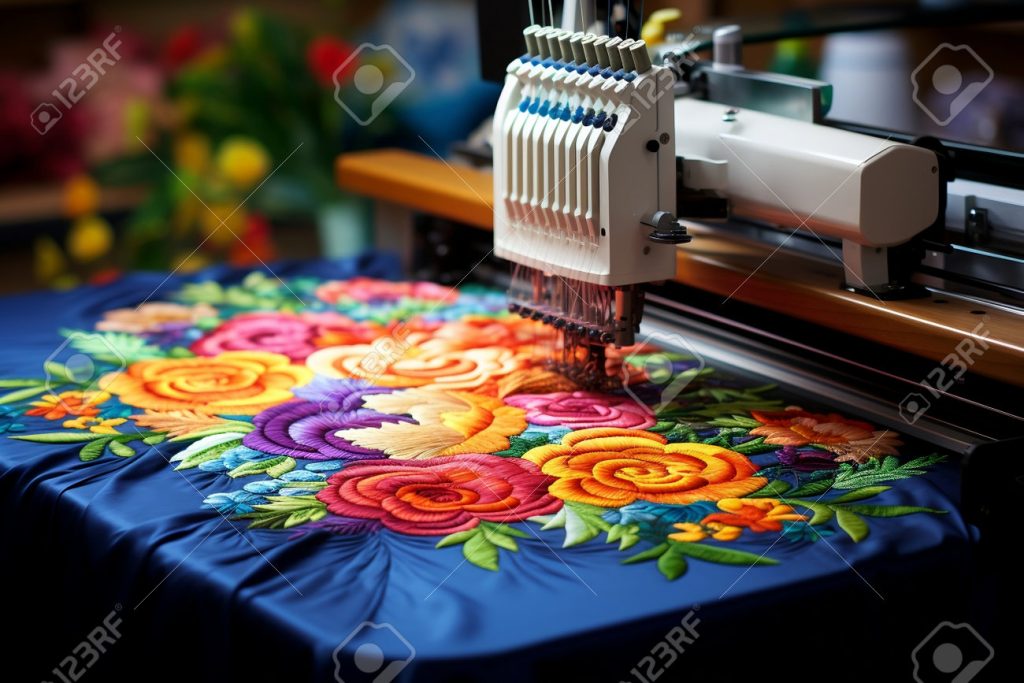
These digital “weaves” are printed on synthetic fabrics, mass-produced overnight, and marketed as “handloom-inspired collections.”
Sounds innocent? It isn’t.
It’s digital colonization of India’s living textile traditions.
💻 When AI Becomes the New Designer
Brands that once paid designers are now paying data scientists.
They use trend-prediction algorithms to decide:
- What color shades will dominate next Diwali
- Which motifs consumers will “emotionally engage” with
- How to produce those looks faster and cheaper than anyone else
In short:
Machines now decide what we wear — and when we wear it.
But here’s the irony — AI is learning from us.
Every time we post, tag, or buy a handloom product online, the algorithm learns our cultural codes and feeds them to machines that will ultimately replace the real artisans we admire.
🧵 What Happens to the Weaver?
A handloom weaver takes 5–15 days to finish one saree.
An AI-enabled factory can produce 10,000 “handloom-style” prints in an hour.
When mass-produced replicas flood the market, buyers get confused. They think:
“Why pay ₹2,000 for real handloom when I can get the same look for ₹500?”
But it’s not the same look.
It’s a simulation of tradition, not tradition itself.
For every fake handloom sold, a real loom falls silent.
For every “AI-inspired” kurta that trends, another artisan loses hope that their craft still matters.
This is how cultures vanish — not with violence, but with imitation.
⚖️ Can Handloom Survive in the Age of AI?
Yes — but not by competing on speed or trendiness.
The future belongs to what machines can’t do:
Emotion. Imperfection. Story. Soul.
AI can replicate a motif — but not the rhythm of a loom,
the patience in a weaver’s fingers,
or the small prayer whispered before cutting the final thread.
Handloom must reposition itself not as fashion, but as heritage.
Not as product, but as provenance.
If AI is the brain of fashion, handloom must be its heart.
🌍 The Way Forward: Turning Tech into Ally, Not Enemy
Instead of rejecting technology, the handloom sector can use it to defend authenticity:
- Blockchain-backed Digital Product Passports (DPPs) can prove a saree’s origin and weaver details.
- AR storytelling can show customers the faces behind their fabric.
- AI tools can even help artisans predict demand ethically — so production matches value, not greed.
Let AI handle analytics.
Let artisans handle artistry.
That’s the balance the fashion world needs.
🧠 The Deeper Question
When a machine can create infinite versions of what was once sacred, we must ask:
Are we wearing heritage — or just a hologram of it?
Because if we stop valuing who made our clothes, one day there’ll be no one left to make them.
💬 Action Prompt
Next time you see a “handloom-inspired” digital print from a global brand, ask:
“Inspired by whom?”
If AI is learning from Indian heritage, it’s time we protected the original creators — the weavers, dyers, and artisans whose work machines are imitating.
Support the real weaver, not the machine.
Because culture can’t be downloaded.