
India loves big numbers.
Fourth-largest economy. Trillion-dollar dreams. Global power status.
But here’s the problem: big GDP doesn’t cover small civic failures. And the data proves it.
This isn’t an emotional rant. This is a mirror.
1. A Country Drowning in Its Own Waste
India generates around 62 million tonnes of municipal solid waste every year.
Sounds manageable? Wait.
- Only about 70% is collected
- Just 20–30% is scientifically processed
- The rest?
Dumped. Burned. Forgotten.
That means mountains of garbage leaching into groundwater, clogging drains, and quietly poisoning cities — while we argue online about which country is worse.
Garbage is not a government-only problem.
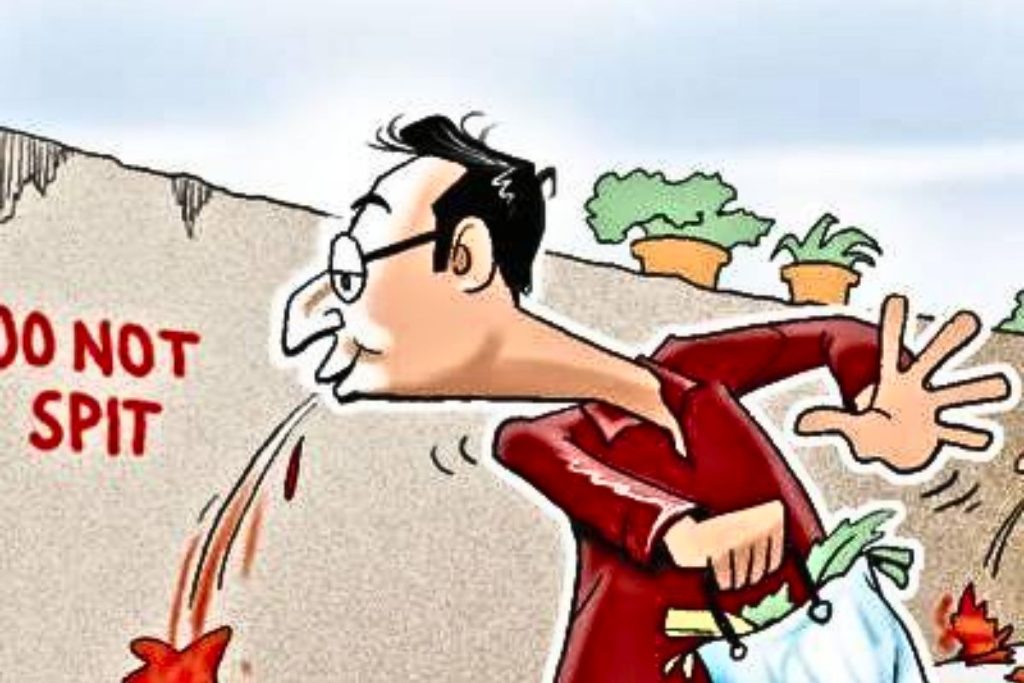
It starts with how people throw waste, how cities enforce rules, and how casually violations are ignored.
GDP doesn’t take out the trash. People do.
2. Road Accidents: A National Emergency We Treat Like Bad Luck
Every year, over 1.7 lakh Indians die in road accidents.
That’s:
- More than many wars
- More than most epidemics
- Every. Single. Year.
The causes are not mysterious:
- Overspeeding
- Wrong-side driving
- No helmets
- No seatbelts
- Poor road design
- Zero fear of enforcement
We don’t drive badly because we’re poor.
We drive badly because we believe rules are optional.
And infrastructure suffers because corruption and shortcuts are normalised — not challenged.
No economy can compensate for a culture that treats human life casually.
3. Air You Can’t Breathe, But Learn to Ignore
The WHO safe annual PM2.5 limit is 5 µg/m³.
Most Indian cities?
- 5 to 10 times above that
- Some far worse during winter
This isn’t “just weather.”
This isn’t “seasonal.”
Air pollution in India is linked to over 1.7 million deaths every year.
That’s silent mass killing — without headlines, without outrage.
Why?
- Weak enforcement
- Poor urban planning
- Unchecked construction
- Vehicle emissions
- Waste burning
- And public apathy
We wear masks during pandemics.
But shrug when the air kills us slowly every day.
4. GDP Without Civic Sense Is Just a PowerPoint Slide
Yes, India is now the 4th largest economy.
But what does that mean if:
- Streets are treated like dumping grounds
- Traffic rules are suggestions
- Public property is “nobody’s responsibility”
- Cleanliness depends on photos, not habits
A strong nation isn’t built only in:
- Stock markets
- Press releases
- Global rankings
It’s built in queues, roads, footpaths, classrooms, and public toilets.
Places where no one is watching.
The Hard Truth We Avoid
A nation is not judged by GDP alone.
It is judged by how its people behave when there is no camera, no fine, no election, and no applause.
You can import technology.
You can build highways.
You can inflate economic figures.
But civic sense cannot be outsourced.
Until basic responsibility becomes culture — not compulsion —
India’s big numbers will keep hiding small, deadly failures.
And no ranking will change that.