
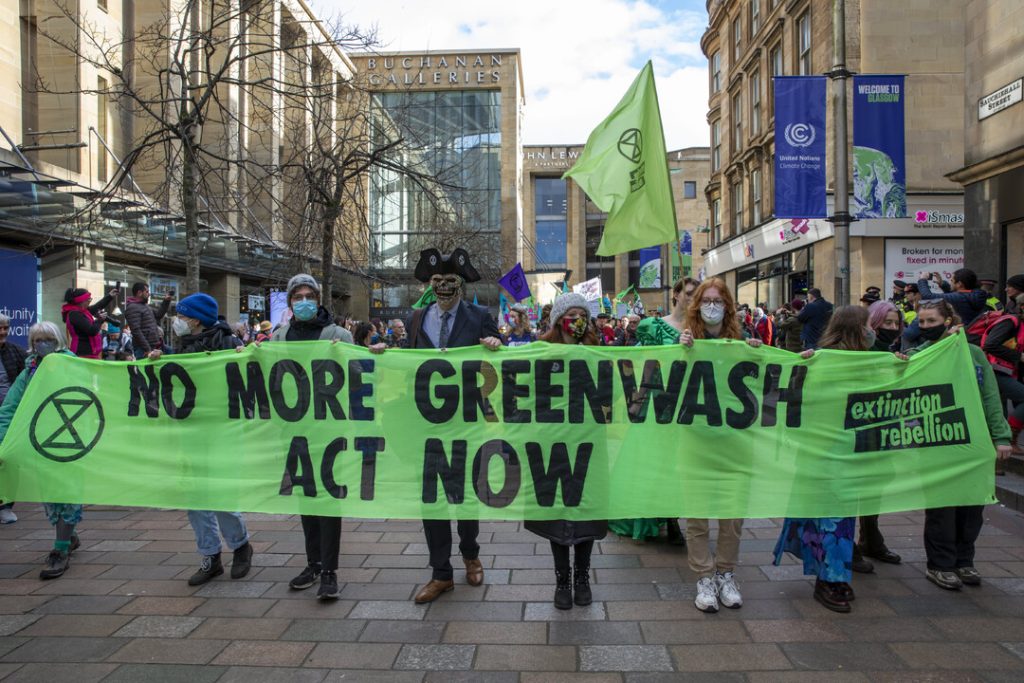
Here’s the uncomfortable truth: most “sustainable fashion” today is nothing more than a sticker slapped on a problem nobody wants to actually fix. Countries shout climate commitments from rooftops while brands quietly keep the polyester machines running at full speed. The U.S. sells “eco-capsules,” the UK pushes “conscious edits,” the EU writes reports thicker than denim — but the planet isn’t impressed, and the consumer definitely isn’t fooled.
If sustainability is just another marketing department KPI… then we’re all dressing up for a funeral — our own.
Let’s strip this down to reality.
The Sustainability Lie Everyone Is Tired Of
Across the U.S., UK, EU, Australia, and even Asia, fashion brands have mastered one thing better than design: performing sustainability.
Not practicing it — performing it.
- A recycled polyester T-shirt is marketed as “green” even though it sheds microfibers into every ocean on earth.
- Brands run “Earth Day campaigns” while burning unsold stock behind closed doors.
- Governments talk circular economy… but 90% of clothes still end up in landfills or illegal dumps in Africa, Chile, India, and Southeast Asia.
And people have had enough.
Consumers now ask: “If you’re actually sustainable, why does every new launch look like old pollution?”
The Real Problem: Everyone Wants the Badge, No One Wants the Work
Because real circularity is messy. Expensive. Slow. Technical.
It requires honesty — something fashion hasn’t been great at.
Real circularity means:
- Repairing garments so customers keep them longer
- Resale and trade-in systems that brands must manage, not outsource
- Using materials that actually biodegrade instead of fancy recycled plastics
- Rebuilding local manufacturing and natural fiber industries instead of relying on offshore mass-production
- Designing clothes that don’t fall apart after ten washes
But circularity doesn’t produce immediate profit. Greenwashing does.
So brands choose the shortcut — the glossy sustainability PDF, the forest photoshoot, the influencers pretending to save the planet in polyester yoga pants.
Europe Has Started Calling the Bluff — and Others Will Follow
The EU is tired of greenwashing drama. Fines are flying. Ads are being banned. Claims must be proven with numbers, not poetry.
The UK’s regulators are poking the fashion giants.
Australia and Canada are sharpening their knives.
Even the U.S., usually slow on climate enforcement, is circling greenwashing claims with serious legal scrutiny.
The message is clear:
Lie about sustainability, and it will cost you.
But here’s the twist — this is not a punishment.
This is pressure to evolve.
Why Brands Need to Stop Faking It
Because consumers are not stupid.
Gen Z and Millennials do their homework.
They check fiber content.
They read the fine print.
They ask WHY.
And people reward honesty — even if the truth is imperfect.
Tell them:
- “We’re not fully circular yet, but we’re repairing your garments for free.”
- “Our clothes are not recycled, but they’re made of 100% natural fibers.”
- “We are reducing inventory so we don’t burn unsold pieces.”
- “Here’s where our cotton came from — and here’s the farmer’s name.”
THAT earns trust.
Not green-colored logos.
The World Doesn’t Need More Sustainable Collections — It Needs Fewer Lies
If the U.S., UK, EU, and big fashion nations truly want change, here’s the playbook:
1. Make durability the default.
Stop designing clothes that disintegrate like paper towels.
2. Build repair culture.
Every brand should have a repair counter — like tailors used to.
Circularity begins with a needle and thread, not a marketing deck.
3. Resale must be internal, not outsourced.
If you made it, you should take responsibility for its second life.
4. Prioritize natural fibers.
Cotton, linen, hemp, wool — fibers that return to earth, not choke it.
5. End greenwashing penalties? No — increase them.
If lying is more profitable than being sustainable, the system is broken.
6. Push for true transparency.
Not GPS-tracking fairy tales — real, traceable data that consumers can verify.
The Harsh Conclusion:
Fashion doesn’t need more “sustainable storytelling.”
It needs sustainable behavior.
The U.S. must fix manufacturing literacy.
The UK must cut the “conscious collection” theatrics.
The EU must enforce laws without bending for luxury giants.
Other nations must stop being dumping grounds for Western waste.
And brands worldwide need to finally realize something simple:
Sustainability is not a vibe. It’s accountability.
Not a trend. A responsibility.
Not a marketing campaign. A survival plan.
Because if fashion doesn’t become circular, the future won’t be fashionable at all.
This is not about saving clothes.
This is about saving the world clothes are made in.
And the clock is ticking.