

How Old They Are, Why They Became State Symbols, and Why the Weavers Are Dying
India’s most famous sarees didn’t just “become popular.”
They were born centuries ago — some almost 2,000 years old — shaped by kingdoms, culture, and craftsmanship.
But today, powerlooms are killing the very weavers who built this heritage.
This is the full story: history, GI status, weaver numbers, years since origin, powerloom invasion, and the painful reality the government keeps ignoring.
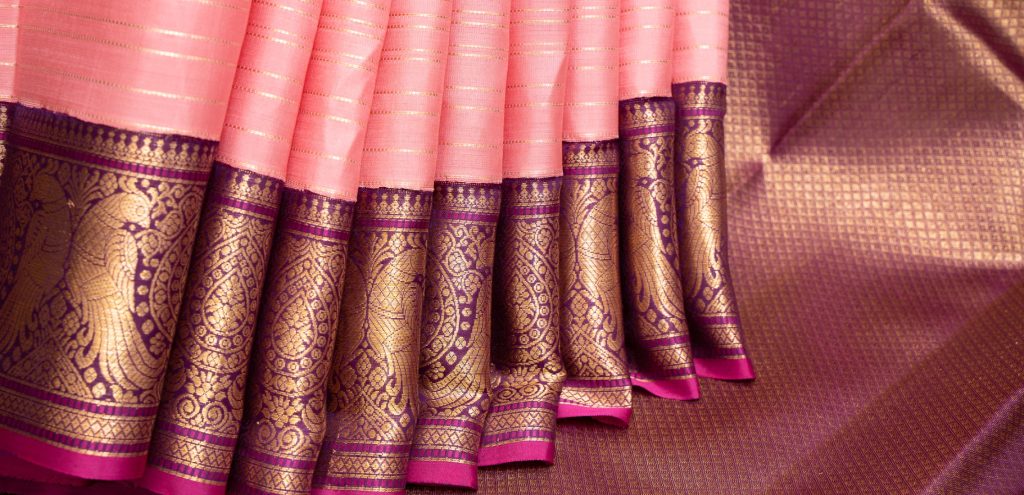
1. Kanchipuram Silk Saree – Tamil Nadu
How Many Years Ago It Started
● Started: 8th–9th century CE
● Around 1,200–1,300 years ago
History
Chola kings brought master weavers to Kanchi, creating a silk tradition that still defines Tamil Nadu.
Weavers Today
● Once: 1.2 lakh
● Now: 30,000 genuine handloom weavers
GI Status
Yes (2005)
Powerloom Situation
Powerloom Kanchipuram dominates 80% of the market.
Legally banned, practically ignored.
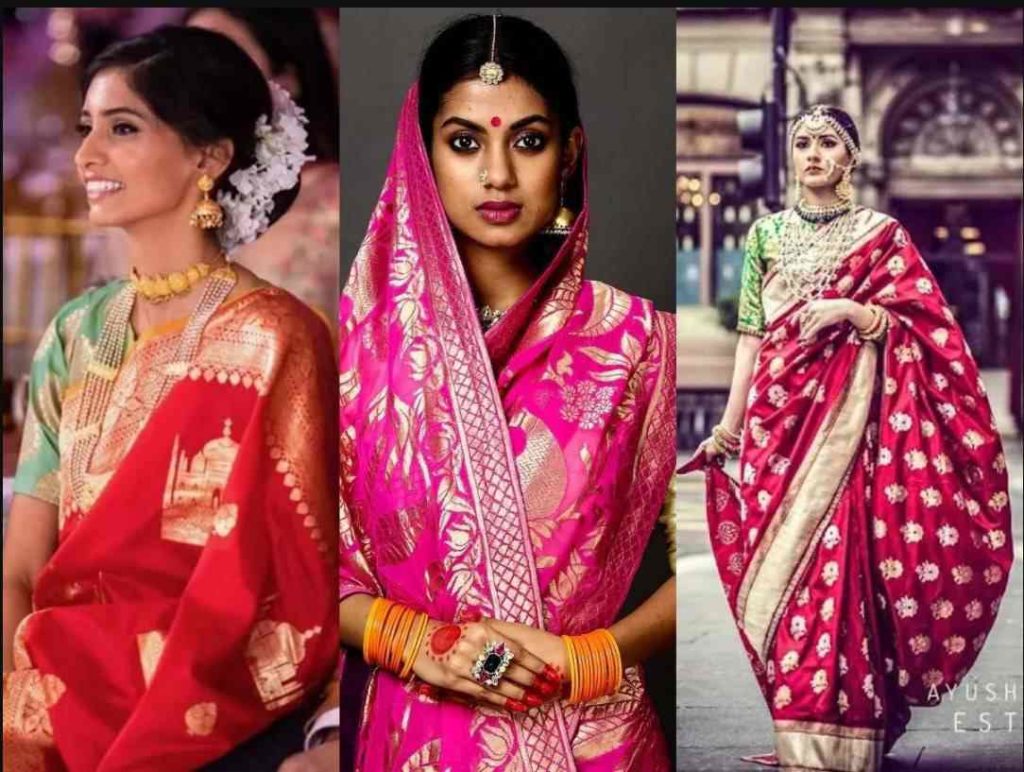
2. Banarasi Saree – Uttar Pradesh
How Many Years Ago It Started
● Started: 16th century (Mughal era)
● Around 400–450 years ago
History
Persian designs + Indian zari weaving created the iconic Banarasi brocade.
Weavers Today
● Earlier: 3–5 lakh
● Now: 1.5 lakh or less
GI Status
Yes (2009)
Powerloom Domination
90% of “Banarasi” today is powerloom-made.
3. Paithani – Maharashtra

How Many Years Ago It Started
● Started: 2nd century BCE
● Around 2,200 years ago
History
Worn by Satavahana royals, now a Maharashtrian bridal icon.
Weavers Today
Only 1,200–1,500 handloom weavers remain.
GI Status
Yes (2010)
Powerloom Issue
Every city sells fake powerloom “Paithani” for cheap.
4. Chanderi – Madhya Pradesh

How Many Years Ago It Started
● Started: 11th century CE
● Around 1,000 years ago
Weavers Today
Only 3,500–4,000 authentic handloom weavers left.
GI Status
Yes (2006)
Powerloom Issue
75% of “Chanderi” in markets is powerloom fabric.
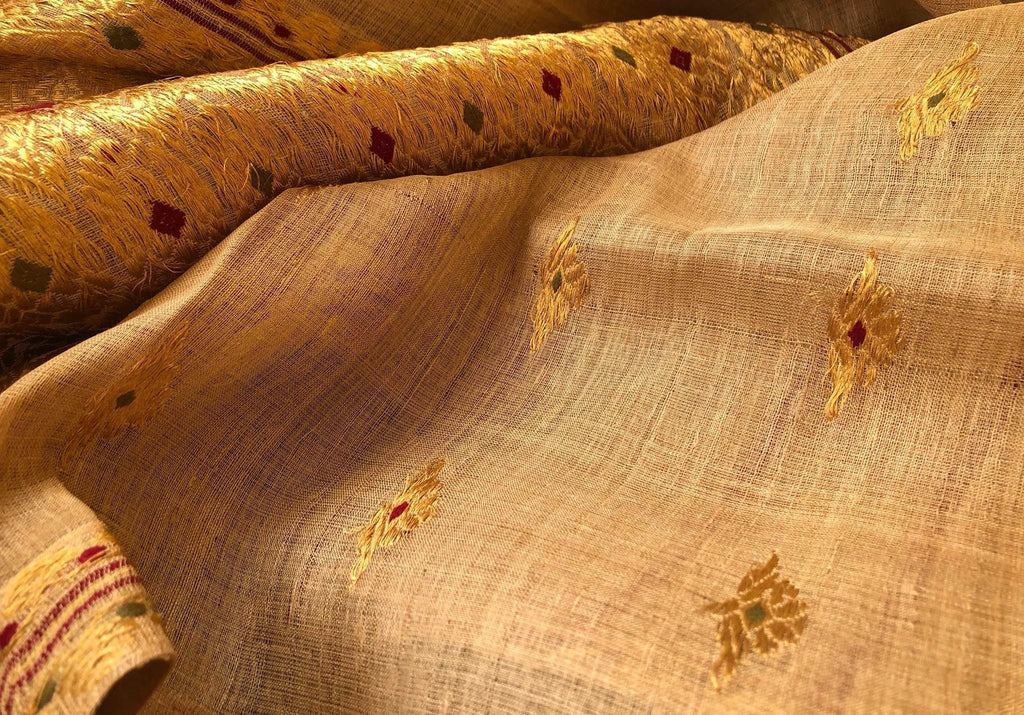
5. Muga & Eri Silk – Assam
How Many Years Ago It Started
● Muga: 13th century → 700–800 years old
● Eri: pre-12th century → 1,000+ years old
Why Assam’s Pride
Muga is the only natural golden silk in the world.
Weavers Today
● Muga: 30,000 families
● Eri: 150,000 families
GI Status
Yes
Powerloom Issue
Fake “Muga-colour” polyester is everywhere.
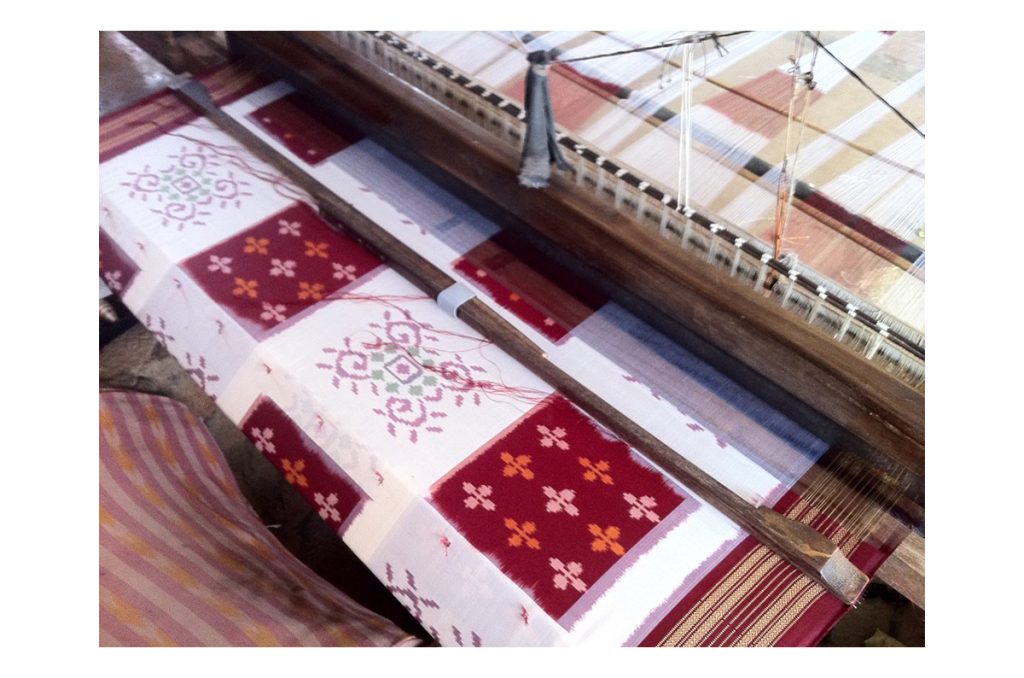
6. Pochampally Ikat – Telangana
How Many Years Ago It Started
● Started: 5th century CE
● Around 1,500 years ago
History
Tie-and-dye weave perfected in Bhoodan Pochampally.
Weavers Today
● Once: 12,000
● Now: 6,000–7,000
GI Status
Yes (2005)
Powerloom Problem
Printed Ikat kills the real technique.
7. Sambalpuri Ikat – Odisha

How Many Years Ago It Started
● Started: 1200–1500 CE
● Around 500–800 years ago
Weavers Today
● Once: 40,000
● Now: 15,000
GI Status
Yes (2010)
Powerloom Issue
Machine-printed Bandha dominates mass markets.
8. Kasavu – Kerala

How Many Years Ago It Started
● Started: 9th–10th century CE
● Around 1,100–1,200 years ago
Weavers Today
Less than 5,000 handloom weavers in Kerala–TN region.
GI Status
Yes (Kasavu Mundu, 2009)
Powerloom Issue
90% of Kasavu today is powerloom-made.
9. Patola – Gujarat
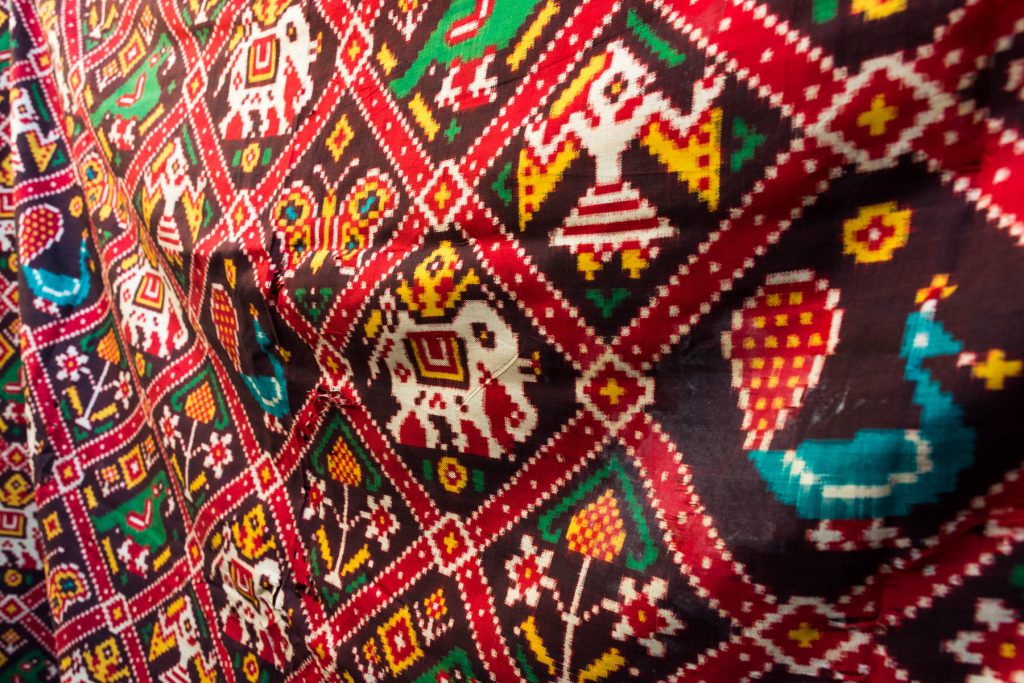
How Many Years Ago It Started
● Started: 11th century CE
● Around 900–1,000 years ago
Weavers Today
Only 40–50 families make true double-ikat Patola.
GI Status
Yes (2013)
Powerloom Issue
Printed polyester “Patola” for ₹400 floods the market.
10. Jamdani – West Bengal
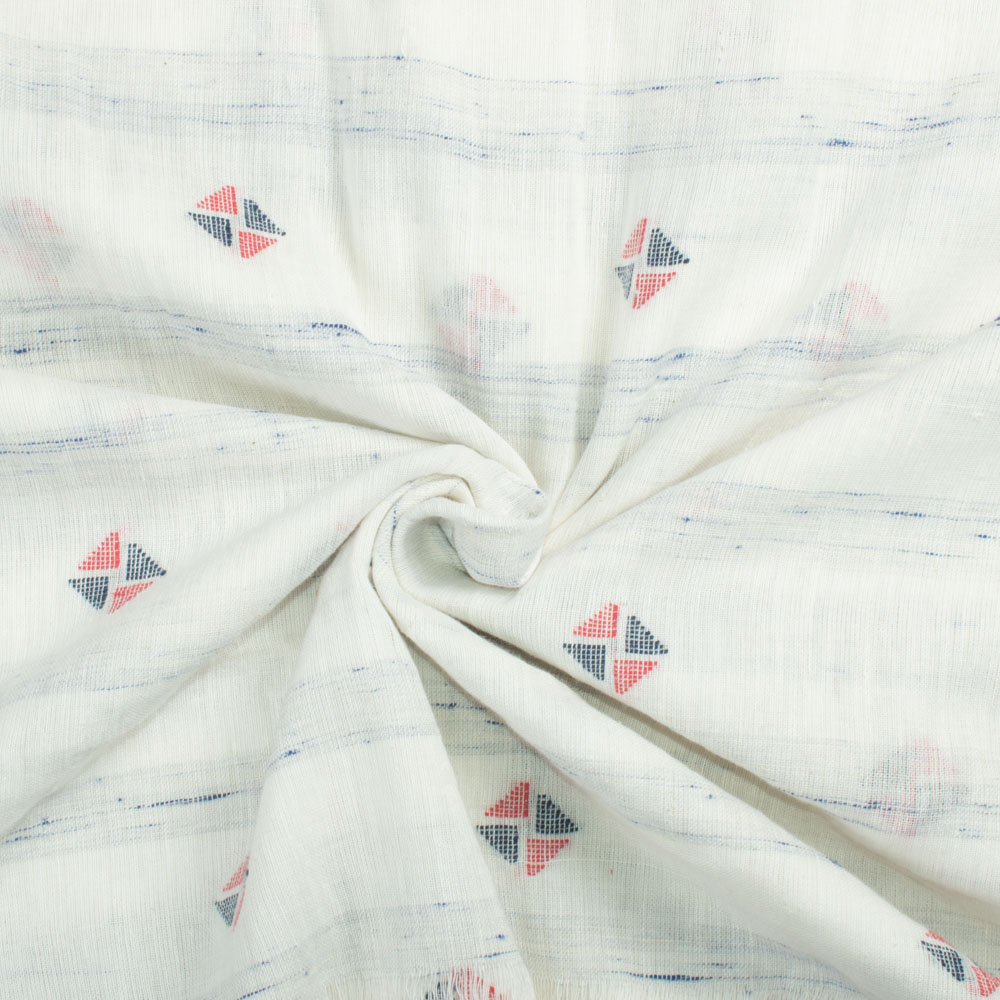
How Many Years Ago It Started
● Started: 11th–12th century CE (Dhaka)
● Around 900–1,000 years ago
Weavers Today
Around 20,000 authentic handloom weavers, decreasing yearly.
GI Status
Yes
Powerloom Issue
Powerloom Jacquard “Jamdani” has destroyed incomes.
Why These Sarees Became State Symbols
Because each saree reflects:
● local culture
● motifs inspired by temples, flora, fauna
● weaving styles unique to certain castes/communities
● royal patronage
● traditional dyeing and silk techniques
● centuries of uninterrupted heritage
Many are over 1,000 years old, some 2,000 years old — no modern fashion brand can claim that kind of legacy.
Which Sarees Dominate Today?
Sadly, not the originals.
Powerloom copies dominate 80–90% of the saree market.
Handloom holds only 7–9% share.
Which Sarees Are Legally BANNED From Being Powerloom-Made?
As per GI rules + Handloom Reservation Act (1985):
● Kanchipuram
● Banarasi
● Patola
● Paithani
● Pochampally Ikat
● Sambalpuri
● Muga Silk
● Jamdani
But the government never enforces the ban.
Why Enforcement Fails
● No dedicated inspectors
● Penalties are laughably low
● Powerloom lobbies fund politics
● GI protection not implemented
● No labelling control in markets
● E-commerce platforms allow anything
So even illegal powerloom sarees sell openly.
How Many Weavers Depend on These Sarees?
Across these 10 saree types alone:
✔ Earlier combined number: 15–18 lakh weavers
✔ Today: 6–7 lakh remain
That means more than 60% of heritage weavers have disappeared.
How Government Inaction is Killing Handloom
Because:
● Subsidies go to mills, not weavers
● No marketing support
● No authenticity certification system
● No national-level handloom policing
● Powerloom gets tax benefits
● Weavers get only schemes on paper
● Youth are quitting due to low income
India loves showcasing these sarees on Republic Day.
But the people who make them?
Ignored, underpaid, and slowly disappearing.
Final Word
India’s sarees are ancient.
Kanchipuram is 1,200 years old.
Paithani is 2,200 years old.
Patola is nearly 1,000 years old.
Ikat is 1,500 years old.
Jamdani is almost 1,000 years old.
But the weavers who carry this heritage may not survive the next 20–30 years if powerlooms continue to dominate and the government continues its silent negligence.