
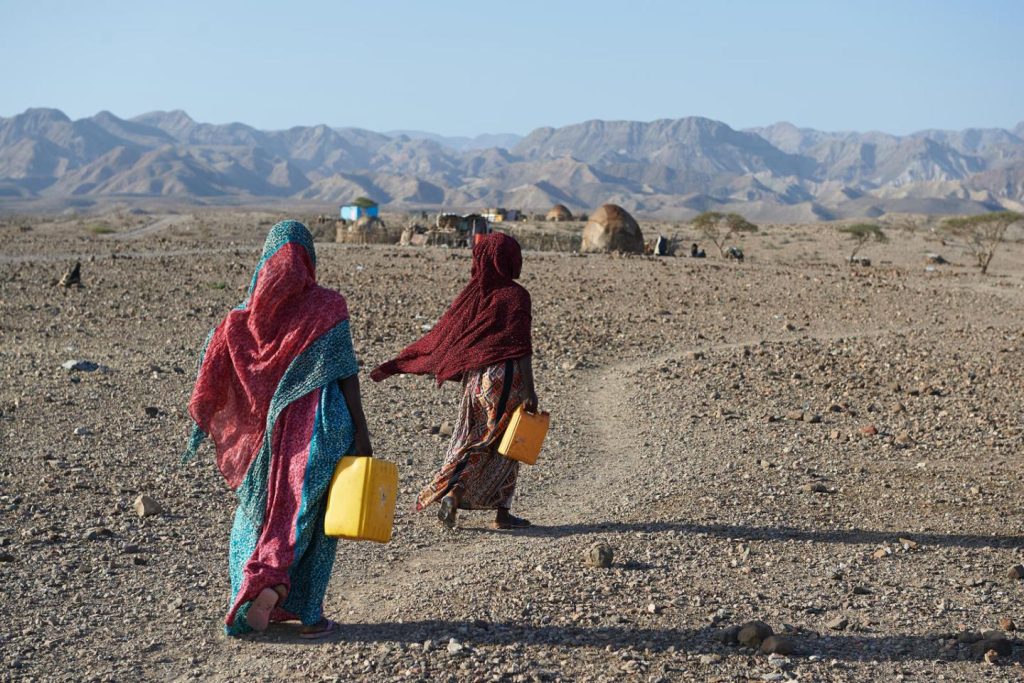
Not Because Nature Failed — Because We Did.
Let’s destroy the most comfortable lie first.
You don’t consume 5,000 litres of water a day because you take long showers.
You consume it because you eat, dress, drink coffee, follow trends, and live like water is infinite.
That 5,000 litres is not in your glass.
It’s hidden behind your lifestyle.
And this is not a “future problem”.
It’s a now problem pretending to be tomorrow’s headache.
Where Is All the Water Really Going?
1. Your Plate 🍔 — The Invisible Drain
Water doesn’t disappear.
It gets eaten.
- One burger → ~2,400 litres
- One cup of rice → ~250 litres
- One cup of coffee → ~140 litres
You don’t drink this water.
You consume it silently.
Multiply this by population.
Now panic properly.
2. Your Wardrobe 👕 — The Silent Criminal
Fast fashion is not just polluting rivers.
It is emptying aquifers.
Let’s talk facts, not emotions.
- 1 cotton T-shirt → ~2,700 litres of water
(Enough drinking water for one person for 2.5 years) - 1 pair of jeans → 7,500–10,000 litres
Polyester?
Yes, it uses less water upfront —
and poisons water forever through microplastics.
So choose your poison:
- Drain water now
- Or poison it permanently
Fast fashion doesn’t sell clothes.
It sells short-term dopamine at long-term water cost.
3. Your “Normal” Daily Life 🚿
- Half-load washing machines
- RO purifiers wasting 60% water
- Concrete cities that block rain from entering the ground
- Borewells drilled like there is no tomorrow
Spoiler: there isn’t.
Are We Really Running Out of Water?
No.
We are running out of clean, drinkable, accessible water.
The planet has water.
We contaminated it. Diverted it. Commercialised it.
Water scarcity is not natural.
It is manufactured.
India: A Country Dying of Thirst While Surrounded by Water
India has 18% of the world’s population
and just 4% of global freshwater.
This is not bad luck.
This is bad decisions, repeated for decades.
Let’s stop talking theory.
Let’s name places. Names hurt.
Case Study 1: Chennai — When a Metro City Ran Dry
In 2019, Chennai didn’t “face” a water crisis.
It collapsed into one.
- All four major reservoirs dried up
- Offices locked toilets
- Tanker water became a luxury commodity
- Families paid more for water than milk
Why?
- Lakes encroached
- Wetlands destroyed
- Borewells abused
- Rainwater harvesting ignored
Lesson:
A city can build flyovers without water.
But it cannot live without it.
Case Study 2: Bengaluru — The Silicon Valley on Life Support
Bengaluru receives enough rainfall.
Let that sink in.
Yet:
- Over 85% of lakes vanished
- Borewells drilled beyond 1,500 feet
- Entire cities dependent on tanker mafias
- Groundwater turning toxic
Lesson:
You can code the future.
But you can’t drink software.
Case Study 3: Marathwada — Sugarcane vs Humans
Marathwada is drought-prone.
So naturally, policy chose sugarcane.
- Uses 70% of irrigation water
- Benefits less than 4% of farmers
- Villages depend on water trains
- Farmers migrate or die by suicide
Lesson:
Policy stupidity kills faster than climate change.
Case Study 4: Rajasthan — Forgotten Wisdom
Rajasthan survived centuries with:
- Johads
- Baoris
- Tankas
Today:
- Traditional systems abandoned
- Borewells collapsing aquifers
- Flash floods and droughts coexisting
Where johads returned, groundwater returned.
Lesson:
Progress that forgets wisdom is regression.
Case Study 5: Punjab — The Food Bowl That Is Drying Up
Punjab feeds India.
And in return:
- Free electricity encourages over-pumping
- Rice grown in unsuitable climate
- Groundwater falling 1 metre every year
- Water poisoned with chemicals
Lesson:
Feeding the nation shouldn’t kill the land.
Case Study 6: Tiruppur — When Fashion Killed a River
The Noyyal River once sustained life.
Then came dyeing units.
- Untreated chemical discharge
- River turned black
- Farmers lost livelihoods
- Courts shut industries
Damage?
Decades long. Some irreversible.
Lesson:
When fashion becomes careless, rivers pay the price.
Case Study 7: Fast Fashion in India — Imported Greed, Local Damage
India is now a global fast fashion factory.
Which means:
- Cotton grown in water-stressed zones
- Rivers carrying dye instead of fish
- Groundwater contaminated
- Workers drinking poisoned water
That ₹399 T-shirt is cheap
because someone else paid with water.
Case Study 8: Handloom Clusters — Proof That Another Path Exists
Look at:
- Kutch
- Chendamangalam
- Pochampally
- Ilkal
- Maheshwar
Common truth:
- Low water usage
- Minimal or natural dyeing
- Localised production
- No river death
Handloom doesn’t exploit water.
It coexists with it.
So What Can Be Done?
Not slogans. Systems.
WHAT Must Change?
Individuals
- Buy less, wear longer
- Choose handloom and natural fibres
- Fix leaks
- Eat consciously
- Treat water like money
Communities
- Mandatory rainwater harvesting
- Restore ponds and temple tanks
- Greywater reuse
- Local water audits
Industries
- Mandatory water footprint disclosure
- Heavy tax on water-guzzling fashion
- Zero tolerance for untreated discharge
- Incentives for low-water crafts
Government
- Rational water pricing
- Ban borewells in stressed zones
- Stop approving water-heavy industries in dry areas
- Treat water like national security
HOW Do We Do It?
- Measure water like currency
- Track water like carbon
- Treat rivers like assets, not drains
- Replace “cheap fashion” with true-cost fashion
- Educate children before influencers miseducate them
WHEN Should We Act?
Not 2030.
Not after the next drought.
Now.
Water collapse doesn’t announce itself.
It arrives quietly — then violently.
WHERE Does Change Begin?
- Homes
- Farms
- Textile mills
- Wardrobes
- Policy rooms
Everywhere water flows — or once flowed.
Why Handloom Matters in a Water-Starved Future
Handloom is not nostalgia.
It is climate intelligence.
- Uses far less water
- No industrial dye rivers
- No toxic discharge
- Decentralised livelihoods
- Water stays in ecosystems
Fast fashion drains water once.
Handloom sustains it for generations.
The Uncomfortable Truth
We won’t die because there is no water.
We’ll die because:
- Water became a commodity
- Speed became religion
- Convenience became god
- Sustainability became a hashtag
Final Question (This One Hurts)
When your child asks:
“Why can’t we drink this water?”
Will your answer be:
- We didn’t know
or - We knew, but it was cheaper to ignore?
Water remembers everything.
And by 2040, it will stop forgiving us.
Save water is not a slogan.
It is a survival instruction.