
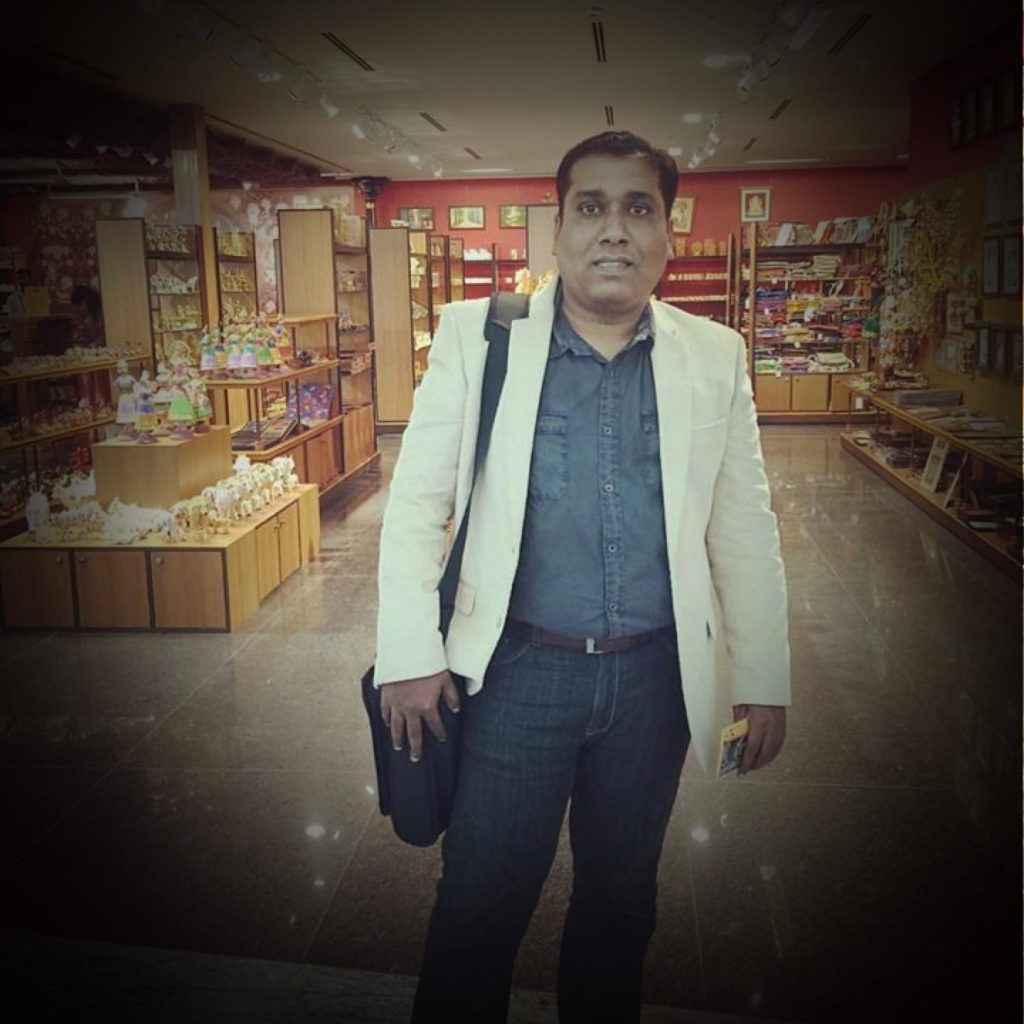
Nishanth Muraleedharan (Nishani) here , Founder of Save Handloom Foundation and Let me say this upfront—
If your entire life is only about earning, eating, upgrading gadgets, and dying comfortably, then biologically you are no different from an animal.
Harsh? Yes.
Untrue? Absolutely not.
Animals work for survival. Humans are supposed to work for purpose.
That belief is exactly why I choose to be known as a social entrepreneur—not a businessman, not a startup founder chasing valuation, not a motivational LinkedIn poet. A social entrepreneur.
The Lie of “You Must Solve Everything or You Solve Nothing”
People love throwing big numbers at you:
“India has 35 lakh handloom weavers. What difference can you really make?”
This is intellectual laziness disguised as realism.
By that logic:
- Doctors should stop treating patients because they can’t cure all diseases
- Teachers should quit because they can’t educate every child
- Firefighters should watch buildings burn because they can’t stop every fire
Social impact doesn’t work on national statistics.
It works on human lives.
Save Handloom Foundation: Small Numbers, Real Lives
Through Save Handloom Foundation, a public charitable trust, we may not be able to uplift all 35 lakh weavers in India—but we consistently provide work to 1000+ weavers and artisans spread across the country.
Let’s break that down without romantic filters:
- 1000+ families with dignified income
- Children staying in school instead of entering child labor
- Artisans not migrating to cities to become security guards or delivery boys
- Skills passed down generations not dying silently
This isn’t charity.
This is economic dignity.
Why Social Entrepreneurship Is Not Charity—and Why That Matters
Charity feeds people for a day.
Social entrepreneurship builds systems that feed people for generations.
We don’t want sympathy-driven donations.
We want:
- Fair wages
- Continuous work
- Market access
- Technology-backed transparency
- Respect for skill, not pity for poverty
That’s why we talk about traceability, digital product passports, fair pricing, and direct market linkage.
A weaver doesn’t need tears.
They need orders.
The Real Problem: Educated Indifference
Ironically, the loudest critics are usually:
- Highly educated
- Comfortably salaried
- Morally vocal online
- Practically invisible offline
Posting about “support local” from a polyester couch wearing fast fashion made by exploited labor.
Awareness without action is just self-entertainment.
Why I Refuse to Measure Success Only in Money
Money is important—but it’s not the final scorecard.
Real success is:
- When a weaver doesn’t ask, “Will there be work next month?”
- When an artisan says, “My child wants to learn this craft.”
- When a dying tradition gets a future, not a museum tag
If your business grows but society rots, that’s not success—that’s extraction.
The Animal Test (Be Honest With Yourself)
Ask yourself one uncomfortable question:
If everything you do only benefits you and your immediate family,
how are you fundamentally different from any other survival-driven species?
Humans are the only species capable of:
- Empathy beyond bloodlines
- Planning beyond lifetimes
- Responsibility beyond self
If we don’t use that ability, we downgrade ourselves.
Final Truth (No Apologies)
I don’t want to be remembered for:
- Revenue charts
- Social media followers
- Fancy titles
I want to be known as someone who used entrepreneurship as a tool to reduce injustice, not increase comfort.
Even if it’s just 1000 lives today.
Because real change doesn’t start with millions.
It starts with someone refusing to look away.
And that—whether people like it or not—is why I choose to be a social entrepreneur.