
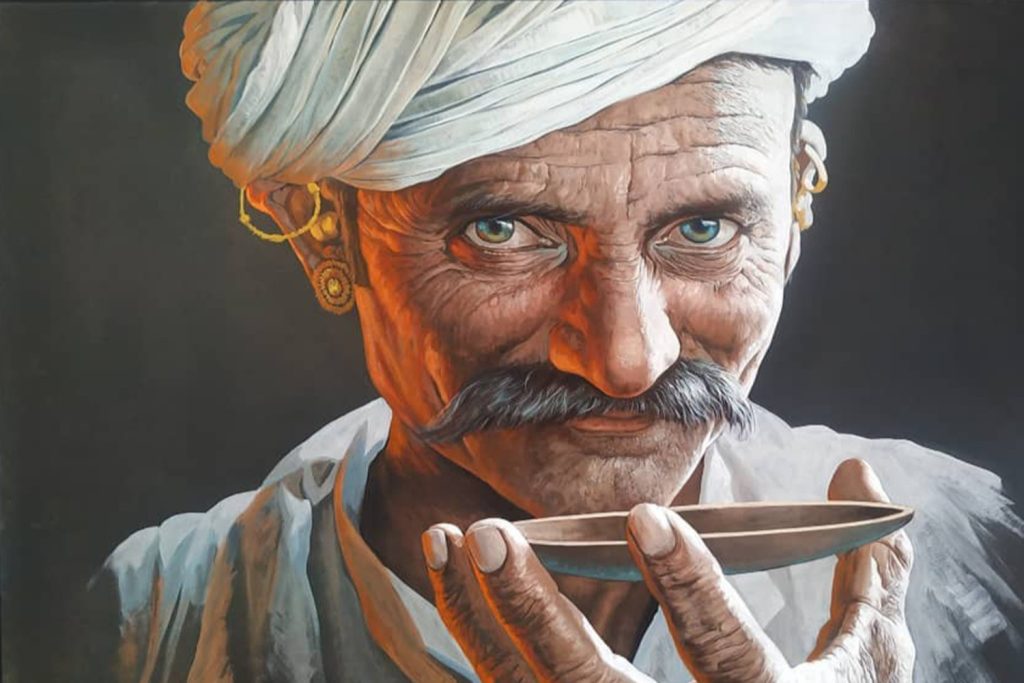
Forget glossy catalogues and showroom pitches. If you want to hear the shuttle sing and sit cross-legged with a weaver while he brews you chai, these are the living, breathing villages of India’s weaving tradition:
- Varanasi (UP): Brocades, jamawar, jamdani. Every galli has looms rattling — you don’t need a “tour operator,” you need your ears.
- Maheshwar (MP): Maheshwari cotton-silks by the Narmada. Rehwa Society revived this in the ’70s. Sit by the river, sip chai, and watch a 300-year-old craft still alive.
- Bhujodi (Kutch, Gujarat): Shawls, stoles, wool and cotton weaves. Entire village is one giant loom orchestra.
- Kanchipuram (TN): Heavy silks with zari borders. Families will actually open their homes if you walk the narrow streets respectfully.
- Gadwal & Pochampally (Telangana): Gadwal korvai sarees, Pochampally ikat. You can literally walk into a house and find weft resist dyeing happening on the floor.
- Uppada, Venkatagiri, Mangalagiri (AP): From gossamer silk to sturdy cottons. Each town has its specialty.
- Chanderi (MP): Sheer silk-cotton that looks like mist trapped in yarn. A living textbook of finesse.
- Kaithoon (Rajasthan): Kota Doria – a netted dream on a pit loom.
- Sualkuchi (Assam): Muga, Eri, Pat silk. Called “The Manchester of Assam,” but in truth it’s an artisan hamlet with soul.
- Phulia & Shantipur (WB): Jamdani & superfine cotton. Each thread is poetry.
- Bishnupur (WB): Baluchari brocades with myth woven in.
- Ilkal & Guledgudda (Karnataka): Ilkal sarees and khana blouse fabrics. District is trying to revive them through “handloom village tourism.”
- Chendamangalam & Kuthampully (Kerala): Mundu, kasavu, thorthu towels. Plus Kannur home linens and Kasaragod sarees.
This is where you carry your swatches, drink chai on woven charpoys, and talk directly — warp counts, zari ratios, delivery times. Middlemen hate that.
The Big Brands and the “Village Capture”
Now let’s rip the curtain off. No one legally owns a village. What happens is production capture:
- Raw Mango (Sanjay Garg): Deep roots in Chanderi, expanded to Benarasi brocades, jamdani, mashru. They’ve basically block-booked the best looms with design exclusivity.
- Fabindia: Runs Supplier Region Companies across India, locking in 50k+ artisans. It isn’t ownership, it’s capacity monopolization. Try knocking? You’ll hear: “Booked till next year.”
- Sabyasachi: Has Varanasi brocade lines practically reserved like VIP lounges at an airport.
- Anita Dongre/Grassroot: Multiple clusters — Bandhani, Ajrakh, Benarasi, Chikankari — all tied up under “ethical sourcing,” but capacity is gatekept.
The myth: “That village belongs to Fabindia / Raw Mango.”
The reality: The loom hours are pre-purchased, the motifs are locked by contract, and the gatekeepers play scarcity theatre.
Do These Villages Work for Others?
Yes — but only if:
- You book off-season. Wedding season? Forget it.
- You order enough yardage. They won’t warp a loom for 2 meters.
- You pay better and faster than the big boys. (50% advance + balance within 48 hours of delivery — exactly what Save Handloom Foundation does.)
The same loom that weaves for Raw Mango can weave for you. The only barrier is how serious you are about respecting the craft.
The 10-Step Guerrilla Guide to Reaching Real Weavers
- Follow the sound of the loom, not the glow of the showroom.
- Start at co-ops or NGOs — they point you to genuine weavers, not wholesale liars.
- Use one guide only once — then branch off by yourself.
- Speak yarn counts, GSM, picks per inch. Middlemen vanish when they see you know specs.
- Always carry cash for 50% yarn advance.
- Respect festival seasons. Don’t demand impossible timelines.
- Walk away from “secret deals” that cut out the co-op.
- Always ask: “Can I see your warping right now?” If they can’t show, they’re not weaving.
- Place pilot orders before big runs.
- Document everything — photo, video, voice notes. That’s your Digital Product Passport proof.
The Map of Authenticity – State by State
- UP: Banaras, Mubarakpur, Tanda.
- MP: Maheshwar, Chanderi.
- Gujarat: Bhujodi, Ajrakhpur.
- Rajasthan: Kaithoon.
- Telangana: Pochampally, Gadwal, Narayanpet.
- AP: Uppada, Venkatagiri, Mangalagiri.
- Karnataka: Ilkal, Guledgudda.
- WB: Phulia, Shantipur, Bishnupur.
- Assam: Sualkuchi.
- Kerala: Chendamangalam, Kuthampully, Kannur, Kasaragod.
Each is a design destination — not a tourist trap.
What Save Handloom Foundation Demands
We refuse the cartelization of looms. We will:
- Publish a transparent rate card by weave.
- Book loom weeks, not just sarees, giving security to weavers.
- Roll out NFC/QR backed Digital Product Passports with every product, showing the real artisan behind it.
- Host “Chai with a Weaver” sessions weekly in each cluster — and pay weavers for their time, even if no order is placed.
- Release balance within 48 hours of quality check.
This is how you smash the monopoly, pull down the velvet ropes, and restore dignity to the loom.
Bottom Line
The villages are not dead. The chai is still hot. The looms are still singing. What’s dead is our courage to walk into these alleys without a middleman.
Big brands want you to believe they “own” entire weaving towns. They don’t. They only own your ignorance.
The next time someone says “That village is Fabindia’s” — smile, sip your chai, and knock on another door. The loom will answer.