What the Ban on Nike, Lacoste & Superdry Really Means for Fashion — and Why Handloom Must Lead
“Sustainable.”
Once a badge of honor.
Now, increasingly, a legal risk.
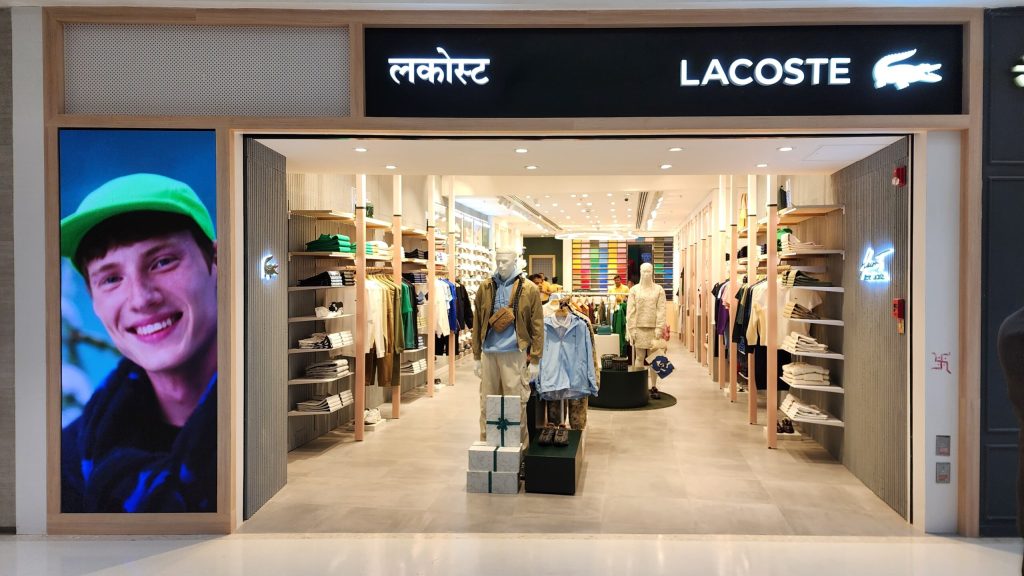
In a landmark move, the UK’s Advertising Standards Authority (ASA) banned sustainability-related advertisements from global fashion giants Nike, Lacoste, and Superdry. The reason wasn’t pollution scandals or factory fires. It was simpler, sharper, and far more uncomfortable: they couldn’t prove what they claimed.
This wasn’t a symbolic slap on the wrist. It was a regulatory message to the entire fashion industry:
You can’t just sound green anymore. You have to show it.
For organisations genuinely working toward ethical, low-impact fashion—especially sectors like handloom—this moment marks a critical turning point.
What Exactly Went Wrong?
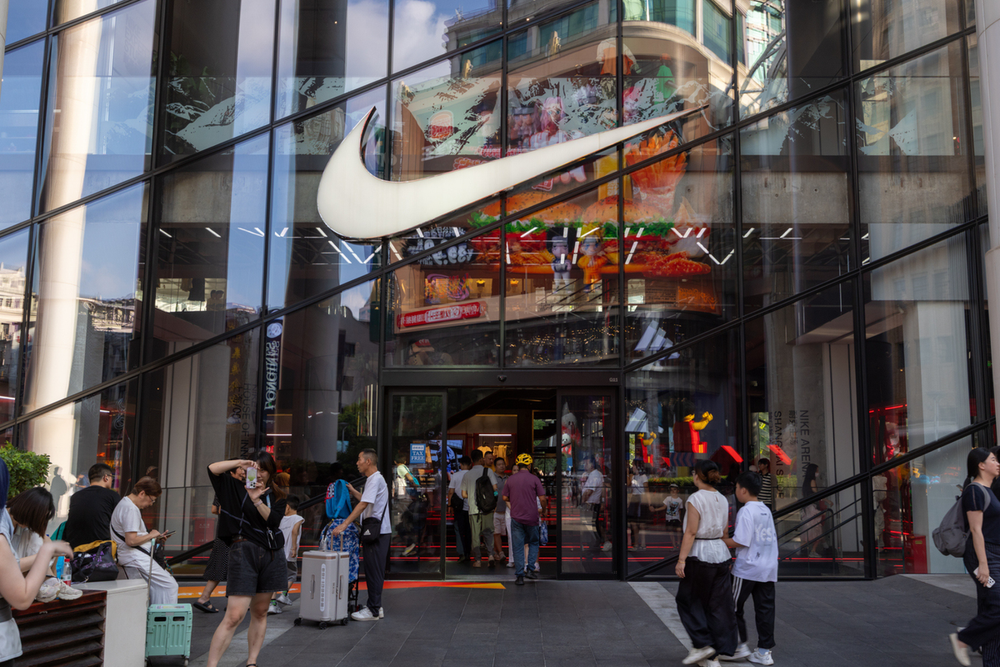
The banned ads shared a common flaw: vague, absolute sustainability language without complete evidence.
- Words like “sustainable clothing”, “sustainable style”, and “sustainable materials” were used boldly in advertisements.
- In reality, only some parts of some products had recycled content.
- The ads did not clearly explain what was sustainable, to what extent, or across which stages of the product life cycle.
Regulators interpreted these phrases as absolute claims—meaning a reasonable consumer would assume the product was environmentally responsible from raw material to disposal. The brands couldn’t substantiate that.
Result: ads pulled. Warnings issued. Precedent set.
This Wasn’t About Fashion. It Was About Trust.
This action didn’t happen in isolation. Across Europe and other global markets, regulators are tightening the screws on greenwashing—the marketing practice of exaggerating or fabricating environmental benefits.
Why the sudden urgency?
Because greenwashing does more damage than lying about discounts or fabric blends. It:
- Erodes consumer trust in sustainability altogether
- Punishes honest producers who actually invest in ethical practices
- Undermines climate action by replacing change with catchy language
When a global brand labels a mass-produced, synthetic-heavy garment as “sustainable,” it doesn’t just mislead buyers. It contaminates the word itself.
And when that word loses meaning, everyone suffers—especially genuine slow-fashion and handloom ecosystems.
How Greenwashing Hurts Handloom Directly
Handloom is often described as “sustainable by nature.” While largely true, that phrase alone is no longer enough. Greenwashing by large brands creates three serious consequences for handloom.
1. Trust Gets Flattened
When consumers discover that big brands misuse sustainability claims, skepticism spreads to all claims—including those made by truly ethical producers.
The result?
A handloom cooperative with natural fibres and fair wages gets doubted just like a fast-fashion brand with clever copywriting.
2. The Market Gets Distorted
Handloom production typically involves:
- Low energy use
- Decentralised, rural livelihoods
- Smaller batches
- Fairer wages
- Longer-lasting products
These come with real costs.
When global brands market “green” collections without incurring those costs, they can undercut prices while charging a sustainability premium. That’s not competition—it’s misrepresentation.
3. Consumers Who Want to Do Right Get Confused
A buyer standing in front of two options—
- A genuine handloom garment with minimal storytelling
- A mass-produced item wrapped in green imagery and buzzwords
—will often choose the latter unless given clear, verifiable information.
That confusion isn’t accidental. It’s structural. And regulators are finally addressing it.
The New Global Rule: Evidence Over Emotion
What the ASA decision signals is clear and non-negotiable:
- Vague green language is no longer acceptable
- Partial sustainability is not full sustainability
- Internal claims without public clarity don’t count
The emerging global standard demands:
- Lifecycle thinking (raw material → processing → transport → use → disposal)
- Product-level evidence, not just brand storytelling
- Transparency that an average consumer can understand
- No self-invented “eco” labels with no independent backbone
This is not anti-sustainability regulation.
This is pro-sustainability, anti-deception regulation.
Why This Is Actually Good News for Handloom
Here’s the uncomfortable truth:
Handloom has always been closer to real sustainability—but has rarely documented it well.
Now, the world is demanding exactly what handloom can offer if it steps up its transparency.
From “Traditional” to “Traceable”
Stories and heritage matter—but today they must be backed by:
- Fibre origin clarity
- Process documentation
- Weaver and artisan attribution
- Environmental and social impact indicators
The Role of Digital Product Passports
Product-level transparency—through QR codes or NFC-based Digital Product Passports—allows consumers, regulators, and markets to see:
- Who made the product
- How it was made
- What materials were used
- What claims are true—and what limitations exist
This isn’t overkill. This is future-proofing.
Honest Imperfection Over Perfect Lies
If a handloom product uses natural fibre but chemical dyes—say it.
If transport adds emissions—acknowledge it.
If durability and repairability are major strengths—highlight them.
Honest sustainability survives scrutiny. Pretend sustainability doesn’t.
Hard Questions This Moment Forces Us to Ask
For Brands
Can your sustainability claims survive regulatory scrutiny today—without rewriting the fine print?
For Policymakers in India
Do we wait for Indian exporters to be penalised abroad, or do we create strong domestic standards that position handloom as a global benchmark?
For Consumers
When you see “sustainable” on a label, do you ask how, compared to what, and where’s the proof?
If the answers aren’t clear, the product probably isn’t either.
Conclusion: Sustainability Has Grown Up
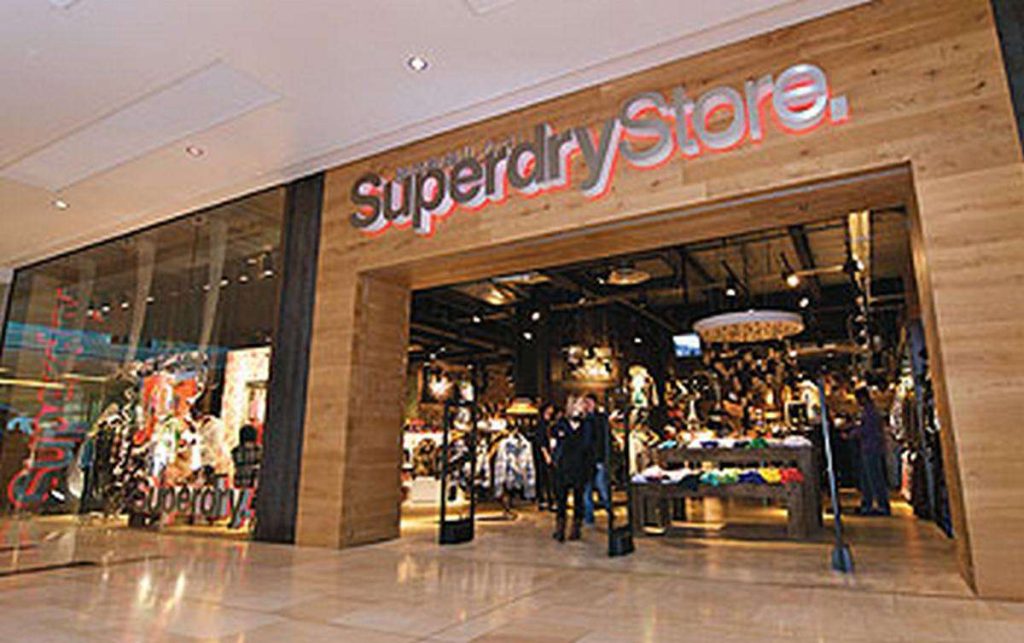
The banning of Nike, Lacoste, and Superdry’s ads is not about shaming brands.
It’s about declaring that the era of sustainability-as-marketing is over.
From now on:
- Proof beats poetry
- Data beats declarations
- Transparency beats trendiness
For handloom, this is not a threat—it’s an invitation.
An invitation to move from assumed virtue to demonstrated integrity.
To replace inherited trust with earned trust.
And to show the world that sustainability doesn’t need louder claims—
it needs clearer truths.
At Save Handloom Foundation, the task ahead is clear:
Protect heritage, yes—but also document it, defend it, and make it undeniable.
Because in a future where everyone must show their homework,
the ones who were honest from the start finally get justice.