
Fast Fashion

India’s New Online Shopping Rules: What Changes for You?

You see “90% OFF.” You see “Only 1 left.” You see a product sitting right at the top of your search results. But how much of that is your choice, and how much is the platform pushing you toward it? From January 1, 2027, India is changing the rules of online shopping. The government has […]

India’s New Online Shopping Rules: What Changes for You? Read More »
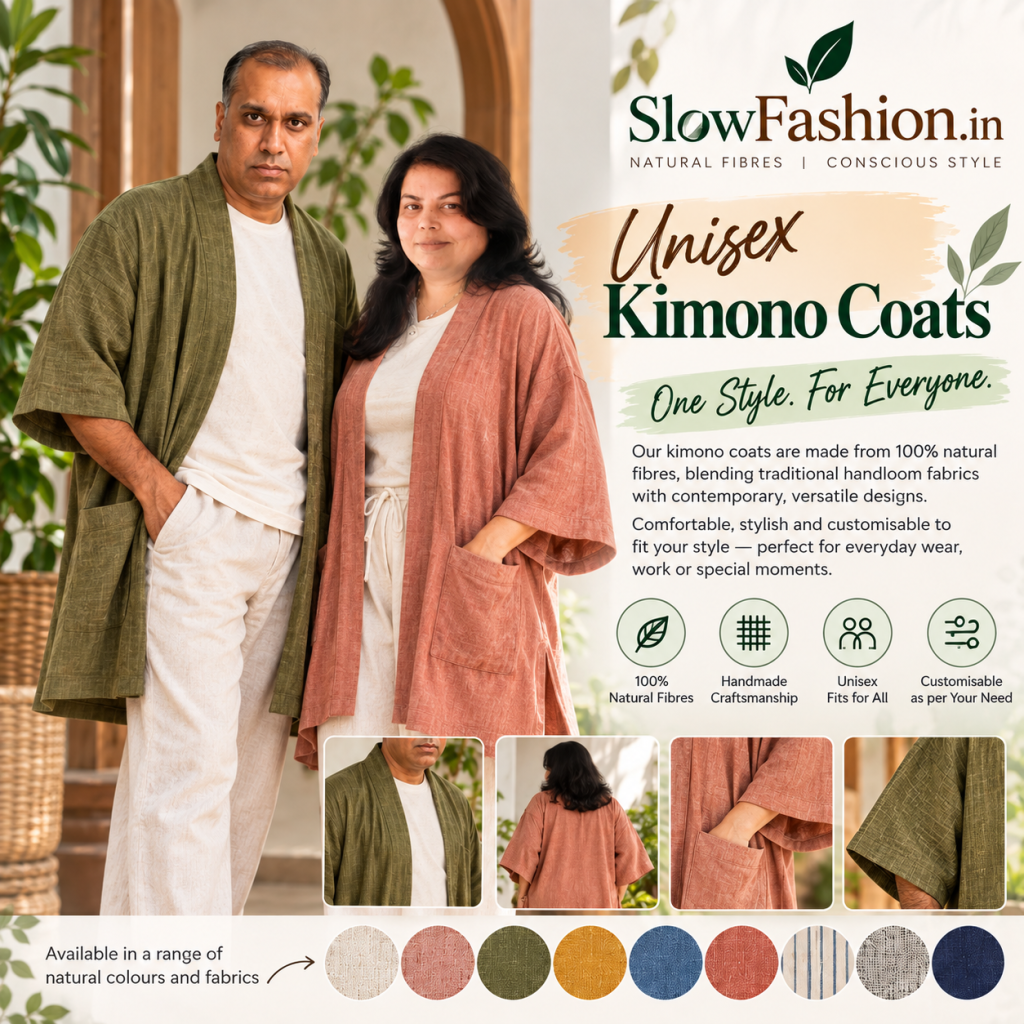
Why Handlooom.com Does Not Follow the Traditional Handloom Retail Model

In Handlooom.com We Don’t Build Handloom Businesses Around Stock. We Build Them Around Demand. Traditional fashion retail generally follows a simple formula: Produce in bulk → Store inventory → Sell → Discount → Clear unsold stock → Repeat. At Handlooom.com, we are building something different. Our approach is demand-driven, decentralized and customizable—designed to connect customers

Why Handlooom.com Does Not Follow the Traditional Handloom Retail Model Read More »

The ₹299 Handloom Lie: While India Fights Over ₹300, the Rich Are Buying Handloom for ₹40,000

India has a strange contradiction. We are one of the world’s great textile civilizations. We still have millions of people connected to handloom weaving, thousands of traditional designs and generations of knowledge that cannot simply be recreated inside a factory. Yet walk into an online marketplace and you can find products advertised as “handloom,” “handmade,”

The ₹299 Handloom Lie: While India Fights Over ₹300, the Rich Are Buying Handloom for ₹40,000 Read More »

Handloom Is Not Dying Because Nobody Wants It. It Is Dying Because of Two Things Nobody Talks About

Every few months, a news report says handloom weaving is disappearing. The usual explanation is that young people don’t want handmade cloth anymore, that power looms are faster, that machines have won. This explanation is comfortable. It is also wrong. Handloom is not dying from lack of demand. It is dying from two failures that

Handloom Is Not Dying Because Nobody Wants It. It Is Dying Because of Two Things Nobody Talks About Read More »

Stop Dressing for Trends. Start Dressing for the Weather

Why India needs to rethink the way we buy clothes — from fashion-first to climate-first Walk into any clothing store today and one question dominates our buying decisions: “Is this trending?” A new colour is trending. A new cut is trending. A new silhouette is trending. A new Instagram aesthetic is trending. And before we

Stop Dressing for Trends. Start Dressing for the Weather Read More »

Fast Fashion, Slow Fashion, and the Choice India Is About to Make

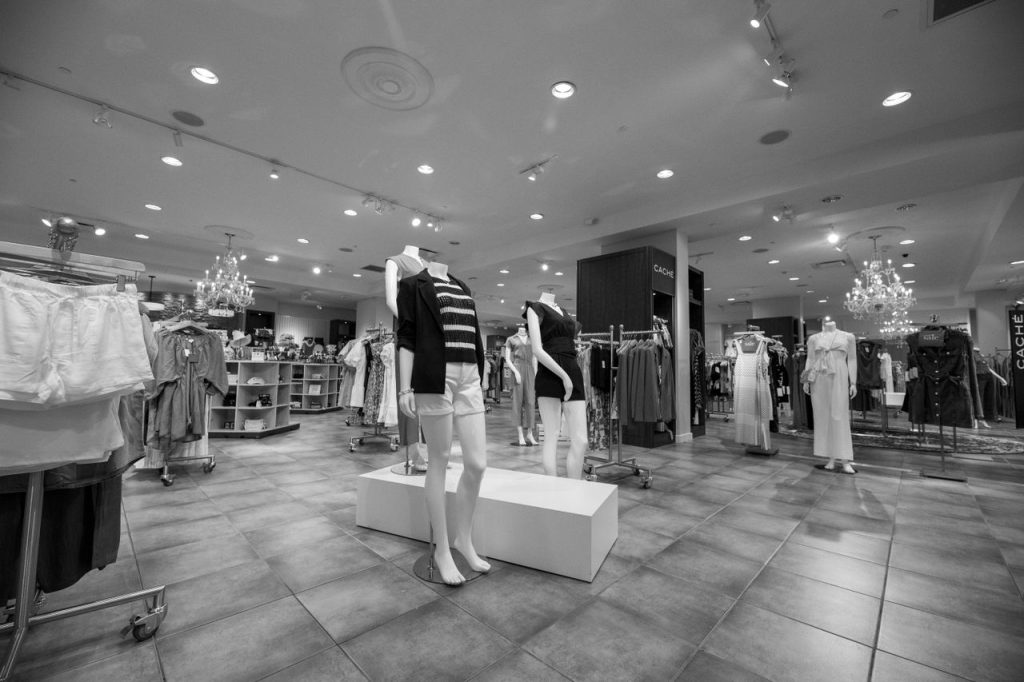
Walk into any mall in Bangalore, Mumbai, Hyderabad, Kochi, or Delhi today, and you will notice something fascinating. The racks never seem empty. Every week, new collections arrive. Every month, hundreds of fresh designs replace the old ones. Fashion has become as disposable as a social media post. A dress seen on Instagram today appears

Fast Fashion, Slow Fashion, and the Choice India Is About to Make Read More »

France Has Fired the First Serious Shot at Ultra-Fast Fashion. The Rest of the World May Follow.

THE ₹500 DRESS WAS NEVER REALLY ₹500 For years, fashion has lived with a strange economic illusion. A dress can pass through raw-material production, spinning, dyeing, cutting, stitching, packaging, international shipping, customs processing, digital advertising and last-mile delivery—and still arrive at someone’s doorstep cheaper than a family dinner. The obvious question is: How? The uncomfortable

France Has Fired the First Serious Shot at Ultra-Fast Fashion. The Rest of the World May Follow. Read More »

If a Product Needs Pressure to Sell… Is It Really Worth Buying?

Walk into most online stores today and you’ll feel it instantly. ⏳ “Only 2 left!” 🔥 “Flash Sale ends in 10 minutes!” ⚠️ “20 people are viewing this right now!” It feels less like shopping… and more like a countdown to panic. Now pause for a second and ask yourself something uncomfortable: If a product

If a Product Needs Pressure to Sell… Is It Really Worth Buying? Read More »

If You Buy U.S. Cotton/Yarn, Make Garments in India, and Export Back to the U.S. at Zero Duty — What’s Really Going On?

At first glance, this sounds like a magic trick: buy cotton or yarn from the United States, process it in India, stitch garments here, and export them back to America at zero duty. It feels almost too good to be true. But it isn’t magic. It’s trade policy — and trade policy is never “free”.

If You Buy U.S. Cotton/Yarn, Make Garments in India, and Export Back to the U.S. at Zero Duty — What’s Really Going On? Read More »

When “handloom” shows up on the label but polyester shows up on the price tag

An eye-opener for anyone who still believes “apex” = authentic, natural, and preservers of craft. If you buy a saree from an apex handloom cooperative showroom (think Co-optex, HANTEX, APCO and their counterparts across states), you expect cotton, silk, or other natural fibres woven by real weavers. That expectation is the social contract: apex bodies

When “handloom” shows up on the label but polyester shows up on the price tag Read More »