
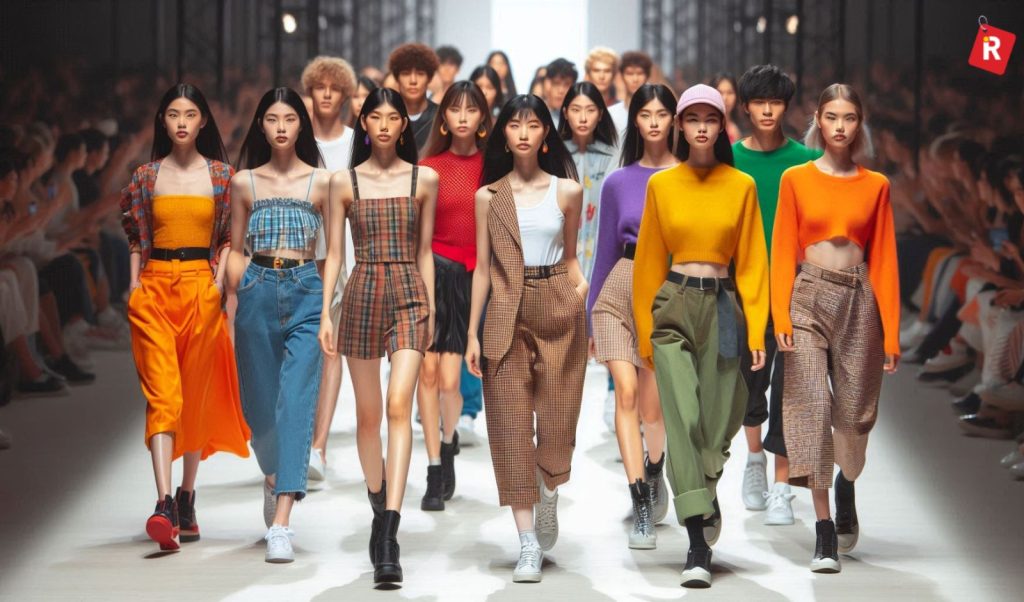
The global fashion industry is not glamorous anymore. It is exhausted, polluted, and morally cornered.
What once promised creativity has turned into a machine that produces cheap clothes, uses toxic materials, burns natural resources, exploits workers, pollutes rivers, and dumps mountains of garments into landfills — often after being worn just a few times.
The system is broken. And when a system breaks at this scale, it doesn’t get repaired quietly — it gets replaced.
That replacement is already underway.
From Fast Fashion to Forced Accountability
For decades, fashion brands operated on three dangerous assumptions:
- Clothes should be cheap
- Trends should change fast
- Nobody will ask uncomfortable questions
All three assumptions are now collapsing.
Governments across the world are beginning to force transparency. Environmental impact, material sourcing, labour conditions, durability, and waste generation are moving from “marketing claims” into measurable, regulated criteria.
Soon, brands will be ranked — not by celebrity endorsements or runway hype — but by how badly (or how responsibly) they treat the planet and people.
This shift changes everything.
Clothes will no longer be judged only by how they look, but by how they are made, what they are made of, and how long they last.
And this is where the equation flips.
Why the Old Fashion Model Is Unsustainable by Design
Fast fashion depends heavily on synthetic fibres like polyester, nylon, acrylic, and elastane. These materials are cheap, oil-based, non-biodegradable, and designed for speed — not longevity.
The environmental cost is brutal:
- High carbon emissions
- Microplastic pollution
- Water contamination
- Massive textile waste
- Short garment life
On top of that comes the human cost: underpaid labour, unsafe factories, vanishing artisan livelihoods.
This model works only as long as nobody stops it.
But now — regulation, consumer awareness, and environmental reality are hitting it from all sides.
Fast fashion doesn’t just look unsustainable anymore.
It is becoming financially risky.
Handloom and Natural Fibres: Not a Trend — A Structural Advantage
Handloom was always slow.
Natural fibres were always durable.
Craft communities always worked locally.
What once looked “outdated” now looks strategically brilliant.
Handloom and natural-fiber-based fashion inherently solves many of the industry’s biggest problems:
- Low carbon footprint compared to mechanized mass production
- Minimal dependence on fossil-fuel-based fibres
- Better durability and longer garment life
- Localized production with ethical labour
- Cultural preservation instead of cultural erasure
Handloom clothes are made to be worn, repaired, passed on — not thrown away.
In a world moving towards accountability, handloom is not catching up.
It was already there.
Transparency Is the New Luxury
Today’s consumer is changing. Not all at once — but fast enough to matter.
People are asking:
- Where did this fabric come from?
- Who made this garment?
- Is it natural or synthetic?
- Will it last, or just survive the season?
- What damage did it cause before reaching me?
This is where traceability becomes power.
Brands that can prove their story will survive. Brands that rely on vague claims and greenwashed labels will disappear.
This opens the door to a new fashion language — one built on data, honesty, and story.
Digital Product Passports: The Missing Bridge Between Craft and Future
A single garment carries layers of information:
- Fibre origin
- Process
- Weaver or artisan
- Dyeing method
- Care instructions
- Expected lifespan
Traditionally, this knowledge died the moment the tag was cut.
With Digital Product Passports, that story stays alive.
When each product carries its full journey — accessible to the buyer — fashion stops being anonymous. It becomes accountable.
For handloom products especially, this is revolutionary. For the first time, craftsmanship meets technology without losing its soul.
Where Save Handloom Foundation Stands Today
Save Handloom Foundation exists at a critical intersection.
We are rooted in tradition — but thinking forward.
We are artisan-led — but technology-enabled.
We speak sustainability — but demand proof, not slogans.
Our work is not about nostalgia.
It is about giving handloom a future that survives regulation, global markets, and new consumer expectations.
By advocating natural fibres, ethical production, fair wages, transparency, and traceability, we are not resisting change.
We are aligning with it.
DesiFusions.com: Where This Vision Becomes Wearable
DesiFusions.com is where ideology turns into product.
The goal is simple:
- 100% natural fibres
- Honest production
- Contemporary designs rooted in Indian aesthetics
- Slow fashion for a fast world
This is not museum clothing.
This is modern, wearable, global apparel — without synthetic deception.
Where the industry moves towards eco-scores, material disclosure, and lifecycle accountability, DesiFusions.com is already positioning itself on the right side of history.
Not perfect. Not finished.
But directionally correct — and that matters more than speed.
The Hard Truth: The Market Will Change Whether Brands Like It or Not
Regulations won’t wait.
Climate won’t wait.
Consumers won’t unlearn what they now know.
Brands will either:
- Adapt and rebuild with transparency and responsibility
OR - Get crushed under regulations, taxes, bans, and public backlash
Handloom-based, natural-fiber fashion isn’t a safe corner anymore.
It is the new center.
The Future Belongs to Those Who Weave With Integrity
Fashion is being forced to answer a question it avoided for too long:
“What do you leave behind?”
If the answer is polluted land, broken rivers, exploited workers, and wasted fabric — the industry will not be forgiven.
But if the answer is:
- Livelihoods preserved
- Natural resources respected
- Culture sustained
- Products made to last
Then fashion can become a force for repair.
Save Handloom Foundation and DesiFusions.com are not trying to hijack the future.
They are quietly — stubbornly — weaving it.
And this time, the world is finally paying attention.